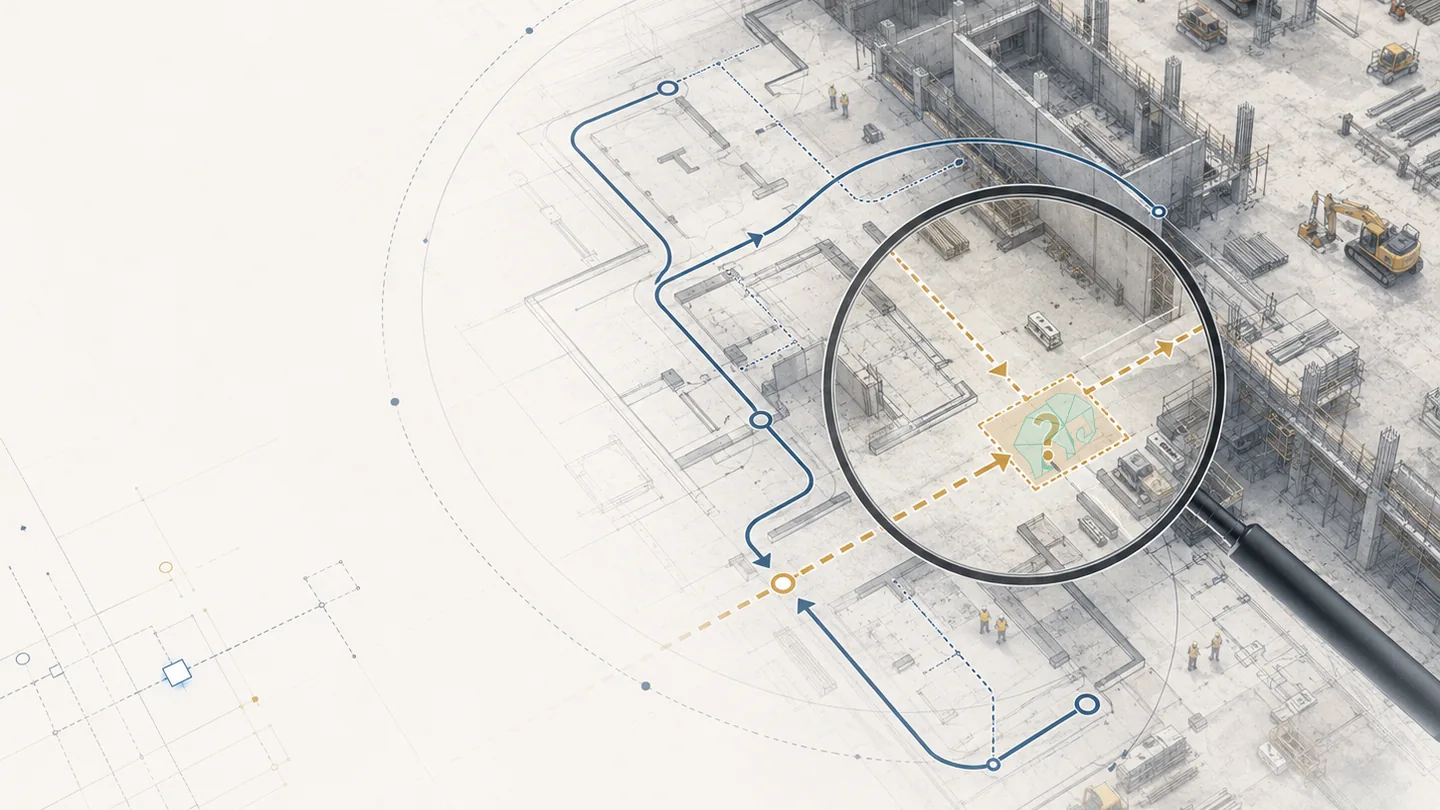
Discovery and Route Mapping is where Glass Elephant builds a practical understanding of how the organisation’s existing support, response and escalation routes actually work. This stage looks beyond policy documents and asks how people move from recognising a concern to taking the right action through the right route.
Most organisations already have services, policies and named responsibilities in place. These may include EAP provision, MHFA arrangements, HR processes, H&S procedures, occupational health, safeguarding routes, line management responsibilities, incident response arrangements and site-based reporting structures. Discovery and Route Mapping examines how these routes connect, where ownership sits, where uncertainty exists and where the journey from concern to action may break down.
The purpose is not to judge the organisation or replace existing functions. The purpose is to understand the current system clearly enough to support practical improvement.
In construction, organisational routes can be complex. A concern may involve an employee, subcontractor, agency worker, supervisor, site manager, project lead, HR representative, H&S contact, occupational health provider or external service. On paper, the route may look clear. In practice, people may be unsure who should act, when to escalate, what can be said, what should be recorded, and where responsibility transfers.
This is where gaps often appear. People may recognise that something is wrong but not know what to do next. Managers may want to help but may be uncertain about boundaries. Support routes may exist but not be trusted, understood or consistently used. Policies may be technically correct but difficult to apply in a live working environment.
Discovery and Route Mapping helps the organisation see these points of friction before workshop delivery begins. It ensures the programme is shaped around the organisation’s real operating conditions rather than generic assumptions.
What this stage examines
This stage reviews the organisation’s existing arrangements and the practical routes people are expected to use. The exact scope will depend on what was agreed during Engagement and Scoping, but it may include:
⚫ EAP provision and how people are directed towards it
⚫ MHFA arrangements, including role clarity and boundaries
⚫ HR policies and escalation routes
⚫ H&S responsibilities and reporting lines
⚫ occupational health links
⚫ safeguarding routes
⚫ grievance, disciplinary and conduct processes where relevant
⚫ incident response processes
⚫ line manager responsibilities
⚫ supervisor and site manager expectations
⚫ contractor and subcontractor interfaces
⚫ internal communication routes
⚫ confidentiality and information-sharing expectations
⚫ recording and handover points
⚫ escalation thresholds
⚫ gaps between written process and practical behaviour
The aim is to understand whether the organisation has a reliable route from recognition to appropriate action.
The questions Discovery helps answer
Discovery and Route Mapping is built around practical questions rather than abstract analysis.
What routes already exist?
The first task is to identify the formal routes, services, policies and responsibilities already in place. Glass Elephant does not assume the organisation lacks provision. It starts by understanding what already exists.
Do people know how to use them?
A route only works if people understand it. Discovery considers whether managers, supervisors and employees know where to go, what to do and when to escalate.
Where does responsibility sit?
In difficult situations, uncertainty around ownership can create delay, avoidance or informal over-involvement. Discovery helps identify where responsibility starts, where it transfers and who holds the next step.
Where do boundaries become unclear?
Managers and peers can easily drift into doing too much, saying too much, holding too much or keeping too much private. Discovery looks at where boundary confusion may exist.
Where might the route break down?
Breakdown may occur because a service is not trusted, a policy is not understood, a manager lacks confidence, a site culture discourages disclosure, or escalation feels too formal too soon. Discovery helps identify these weak points.
What needs to be clarified before delivery?
The workshops are strongest when they are grounded in the organisation’s actual routes. Discovery identifies what needs to be made clear before participants are asked to apply the learning.
What the organisation gains from this stage
Discovery and Route Mapping gives the organisation a clearer view of how its own system works in practice. This is valuable before any pilot or wider programme delivery because it prevents the workshops from being detached from organisational reality.
The organisation gains:
⚫ a clearer picture of existing routes and responsibilities
⚫ identification of practical gaps or unclear handover points
⚫ insight into where managers may lack confidence
⚫ visibility of where policy and practice may not align
⚫ stronger understanding of escalation thresholds
⚫ clearer distinction between support, response and ownership
⚫ a more targeted basis for workshop delivery
⚫ early evidence of what may need strengthening after delivery
This stage also helps Glass Elephant tailor examples, language and emphasis so that the pilot or programme feels relevant to the organisation’s setting.
How this supports workshop delivery
Discovery and Route Mapping strengthens the workshop stage because it gives participants a clearer connection between the learning and their own working environment. Instead of discussing response and escalation in general terms, the workshops can refer to the organisation’s real routes, responsibilities and decision points.
This makes the training more practical. Participants are not simply told to “escalate” or “signpost”. They are helped to understand what that means in their own organisation, who the relevant route is, what should happen next and where their responsibility ends.
This is especially important for managers and supervisors. Many people in these roles are not unwilling to act. They are often uncertain about the safest and most appropriate action to take. Discovery helps remove that uncertainty by clarifying the system around them.
How this stage protects boundaries
Discovery and Route Mapping also protects professional boundaries. It ensures that Glass Elephant does not become an informal substitute for the organisation’s own services, management responsibilities or formal escalation processes.
By mapping existing routes, the programme can reinforce the correct organisational pathways rather than create parallel ones. This helps avoid dependency, role drift or confusion about who owns what.
This is central to the Glass Elephant approach. The programme strengthens recognition, response, boundaries and escalation, but ownership remains with the organisation and its agreed structures.
Construction-specific relevance
Construction environments create particular challenges for route clarity. Work may be spread across multiple sites, projects and employers. People may report operationally to one person, contractually to another and functionally to another part of the organisation. Supervisors may be close enough to notice concerns but may not have full authority to act. Site teams may rely heavily on informal judgement, while formal processes sit elsewhere.
Discovery and Route Mapping helps make sense of this complexity.
It considers how responsibility works across:
⚫ head office and site teams
⚫ project and operational structures
⚫ principal contractor and subcontractor relationships
⚫ permanent, temporary and agency workers
⚫ supervisors, managers and functional specialists
⚫ formal policy routes and informal site practice
The goal is to make the route usable in the real world, not just correct on paper.
Typical outputs from Discovery and Route Mapping
The outputs from this stage may vary depending on the organisation, but they may include:
⚫ a route map of existing support and escalation pathways
⚫ a summary of current policies, services and responsibilities
⚫ identification of unclear handover points
⚫ observations on where routes may be underused or misunderstood
⚫ practical risks linked to role confusion or boundary drift
⚫ recommendations for what should be clarified before delivery
⚫ suggested emphasis areas for the pilot or workshops
⚫ early themes to test during programme delivery
⚫ a basis for post-delivery recommendations
These outputs are intended to be practical and usable. They help the organisation understand the current position and give the pilot or programme a stronger foundation.
What this stage does not do
Discovery and Route Mapping is not a clinical assessment, investigation or judgement of individual cases. It does not diagnose people, review personal circumstances in detail or take ownership of employee support needs.
It also does not replace HR, H&S, occupational health, safeguarding, EAP provision, line management or existing organisational governance. Instead, it helps the organisation understand whether those routes are clear, connected and usable.
This distinction is important. Glass Elephant supports the organisation to strengthen its own system. It does not become the system.
Summary
Discovery and Route Mapping is the stage where Glass Elephant examines how recognition, response, escalation and ownership work in practice. It identifies the existing routes, tests their clarity, highlights practical gaps and prepares the organisation for more relevant pilot or programme delivery.
This stage helps organisations move beyond the question, “Do we have support in place?” and towards the more useful question:
“Can people recognise a concern, respond appropriately and move it through the right route with confidence?”
That question sits at the heart of the Glass Elephant approach.
Drag and Drop Website Builder